July 29, 2026
As homeowners seek to refresh their outdoor spaces, emerging landscape design trends offer innovative ways to blend nature with comfort and functionality. Whether enhancing curb appeal or creating serene backyard retreats, these trends reflect a growing desire to connect with the outdoors in style. Let's explore the latest landscape design trends that landscaping contractors find are captivating homeowners this year.
1. Native Plantings and Biodiversity
Benefits of Native Plants
Landscaping contractors find that native plants are gaining popularity among homeowners due to their numerous benefits. Often requiring less water and maintenance, these plants are perfectly adapted to their local environments. This makes them ideal for homeowners looking to create a sustainable garden that thrives year-round. Additionally, native plants attract local wildlife, including pollinators such as bees and butterflies, contributing to greater biodiversity. By choosing native plants, gardeners not only enhance their landscape's beauty but also support the health of local ecosystems.
Designing for Local Wildlife
Incorporating elements that support local wildlife is an emerging trend that enriches landscape design. Gardens that attract birds, insects, and small mammals can significantly enhance biodiversity and create educational opportunities for families. Features such as bird feeders, butterfly gardens, and small water sources provide habitats and sustenance for various species. Homeowners are prioritizing these additions to foster a harmonious relationship between their gardens and the surrounding environment. By designing gardens with wildlife in mind, homeowners are contributing to vital conservation efforts.
Creating Low-Maintenance Landscapes
Low-maintenance landscapes are particularly appealing to busy homeowners looking for beautiful gardens without the constant upkeep. Native plants play a key role in these designs due to their hardiness and reduced need for watering. Mulching and ground cover strategies also help minimize weeds and retain soil moisture, cutting down on labor-intensive garden tasks. According to American Home Shield's 2025 Curb Appeal Survey, 56% of homeowners hire help with curb-appeal projects, often because ongoing maintenance is challenging. Embracing low-maintenance landscaping allows homeowners to enjoy their outdoor spaces worry-free.
Seasonal Planting Guides
Leveraging seasonal planting guides can enhance the overall aesthetic and functionality of a landscape. These guides help homeowners select appropriate plants for each season, ensuring bright blossoms and lush greenery year-round. Seasonal planting also encourages biodiversity, as different plants will attract varied wildlife during different times of the year. With careful planning, gardens transform with the seasons, providing dynamic and ever-changing outdoor experiences. Homeowners are increasingly consulting landscaping contractors or using digital tools to develop detailed planting schedules tailor-made for their local climate.
2. Sustainable and Eco-Friendly Practices
Water Conservation Techniques
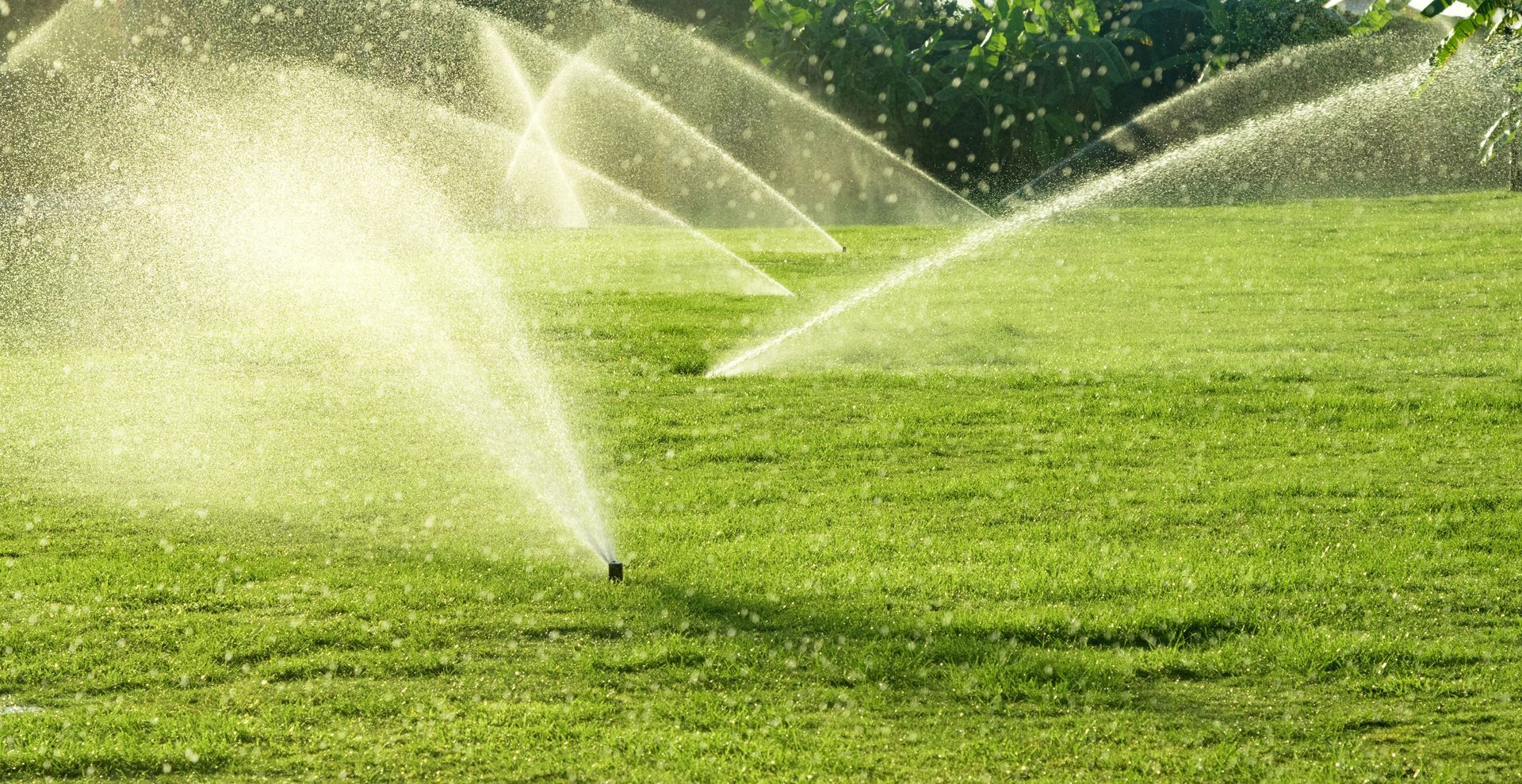
Water conservation is a crucial aspect of sustainable landscaping that focuses on preserving water resources while maintaining lush, healthy gardens. Techniques such as drip irrigation, rainwater harvesting, and xeriscaping help reduce water usage without compromising plant vitality. For example, xeriscaping utilizes drought-tolerant plants and efficient irrigation systems to create beautiful landscapes in arid regions. Homeowners investing in these techniques not only lower their water bills but also contribute to broader environmental conservation efforts. This trend underscores a growing awareness of water as a finite and precious resource.
Using Recycled Materials
Using recycled and repurposed materials is increasingly popular in eco-conscious landscaping designs. From pavers made of recycled concrete to garden decor crafted from reclaimed wood, these elements add unique character while reducing waste. This sustainable practice taps into creative opportunities to beautify outdoor spaces without depleting new resources. Homeowners are also using recycled glass in walkways and driveways to achieve eye-catching and environmentally friendly designs. As consumers become more environmentally aware, the demand for recycled materials in landscaping continues to rise.
Organic Gardening Methods
Organic gardening methods are at the forefront of sustainable landscape design, emphasizing natural techniques over chemical interventions. By employing natural pest control and soil enrichment methods, homeowners can create healthy, vibrant gardens without harmful pesticides and fertilizers. This approach nurtures soil health and promotes biodiversity, aligning with ecosystems' natural processes. It's particularly beneficial for edible gardens, as it ensures the produce is safe and free from chemical residues. As people become increasingly health-conscious, organic gardening is becoming a preferred choice.
Building With Sustainable Materials
Sustainable materials are a cornerstone of modern landscape design, providing environmentally responsible alternatives for a variety of structures. From bamboo and reclaimed wood to locally sourced stone, such materials minimize carbon footprints and preserve natural resources. They are often used in constructing decks, garden offices, raised beds, and more, blending functionality with eco-friendliness. Sustainable building materials demonstrate a commitment to the environment, appealing to homeowners seeking ethical approaches to outdoor design. The versatility and aesthetic appeal of these materials make them a popular choice in trendy landscape projects.
Composting and Soil Health
Composting is a key practice in promoting soil health, turning kitchen and garden waste into nutrient-rich compost. This addition to garden beds enriches the soil by improving its structure, water retention, and microbial activity. By reducing reliance on synthetic fertilizers, composting fosters sustainable gardening practices that benefit both plants and the ecosystem. Homeowners find that a dedicated composting system boosts their garden's productivity while reducing household waste. As awareness of environmental issues grows, composting has firmly become a mainstay in eco-friendly landscape design.
3. Outdoor Living Spaces
Designing Outdoor Kitchens
Outdoor kitchens transform backyards into culinary hubs, allowing homeowners to entertain and cook al fresco. Featuring essentials like grills, sinks, and countertops, these spaces often include extras such as pizza ovens or built-in bars. Designing an outdoor kitchen involves considering layout, materials, and functionality to create a seamless extension of indoor living. Materials such as stainless steel and stone are favored for their durability and resistance to weather elements. As more homeowners seek to enhance their outdoor entertaining options, outdoor kitchens remain a booming trend.
Creating Cozy Lounge Areas
Cozy lounge areas bring comfort to outdoor living spaces, encouraging relaxation and leisure time with family and friends. Incorporating comfortable seating, weather-resistant cushions and throws, and harmonious color schemes creates inviting retreats. Features like pergolas, shade sails, and outdoor rugs further foster this ambiance, offering both style and practical sun protection. Landscaping contractors are finding that homeowners are increasingly investing in quality outdoor furniture that withstands the elements while providing maximum comfort. These adaptable lounging spaces are perfect for everything from quiet solitude to lively gatherings.
Incorporating Fire Features
Fire features such as fire pits, outdoor fireplaces, and tabletop flames add warmth and ambiance to outdoor settings. They serve as focal points for social gatherings, extending the usability of outdoor areas into cooler months. Fire features can be custom-designed to suit varying spatial and aesthetic requirements, from rustic stone fire pits to sleek modern gas units. Not only do they enhance the visual appeal of gardens, but they also provide functional benefits by adding warmth and light. The integration of fire elements into outdoor design highlights an enduring trend towards creating inviting, versatile outdoor environments.
Multipurpose Decking Solutions
Multipurpose decking solutions maximize outdoor space usability by catering to diverse needs and preferences. These decks are designed to accommodate seating areas, dining zones, and play areas, often within compact spaces. Creative design and space-efficient structures ensure that even small urban gardens can benefit from these innovations. Made from materials like composite decking, which is durable and low-maintenance, these solutions provide flexibility and durability. Homeowners appreciate the practicality of decks that serve multiple functions, making their outdoor spaces more versatile and livable.
Technology Integration in Outdoor Spaces
Technology integration has reached outdoor spaces, revolutionizing how landscapes function and interact with their owners. Smart lighting, weather monitoring systems, and automated irrigation enhance convenience and efficiency in garden management. These technologies allow homeowners to control various aspects of their landscape remotely, offering increased customization and control. Additionally, Wi-Fi-enabled devices like outdoor speakers or screens create entertainment hubs perfect for hosting guests. The blend of technology with nature presents innovative opportunities for creating sophisticated, responsive outdoor environments.
Embracing the latest landscape design trends allows homeowners to transform their outdoor environments into personal sanctuaries that promote well-being and sustainability. From enhancing biodiversity to maximizing outdoor living experiences, these trends offer versatile solutions to cater to varying aesthetic preferences and environmental considerations. To get started with a quality landscape you can feel proud of, reach out to the landscaping contractors at Watersmith Irrigation today!