July 31, 2026
A well-designed landscape does more than make a property look attractive. It creates a welcoming environment, supports healthy plant growth, and adds visual balance to outdoor spaces. Whether a property owner is updating an existing yard or starting from scratch, thoughtful planning helps every feature work together. Trees, shrubs, lawns, flower beds, irrigation systems, and hardscape elements all contribute to the finished appearance.
Working with landscaping contractors provides access to professional knowledge that helps transform ideas into a practical design. Every property has unique characteristics, including soil conditions, drainage patterns, sun exposure, and available space. These factors influence which plants thrive and how outdoor features should be arranged. A carefully planned landscape considers both beauty and long-term performance rather than focusing only on immediate appearance.
The landscaping industry continues to play a significant role in maintaining residential and commercial properties across the country. According to This Old House, there were approximately 649,131 landscaping businesses operating in 2023, demonstrating the ongoing demand for professional outdoor services and the value property owners place on maintaining attractive landscapes.
1. Creating Designs That Match the Property
Every landscape should complement the property's architecture and the surrounding environment. A successful design takes into account how people use outdoor spaces while ensuring plants and materials remain suitable for local conditions throughout the changing seasons.
Experienced landscaping contractors evaluate the property's layout before recommending improvements. They consider traffic flow, outdoor gathering areas, existing vegetation, and maintenance needs. Instead of adding random features, professionals develop a cohesive plan that creates harmony between lawns, gardens, pathways, patios, and other outdoor elements.
A customized approach also allows for future growth. Trees mature, shrubs expand, and perennial gardens become fuller over time. Professional planning accounts for these natural changes, helping landscapes remain attractive for years instead of appearing overcrowded after only a few growing seasons.
2. Protecting Plant Health Through Proper Selection
Choosing attractive plants is only one part of creating a successful landscape. Plants must also be suited to local temperatures, rainfall patterns, soil conditions, and available sunlight. Selecting inappropriate species often leads to unnecessary stress, poor growth, or premature replacement.
Professional landscape planning helps ensure plants are chosen with their long-term health in mind. Native and climate-appropriate varieties frequently require less maintenance while supporting healthy growth throughout the year. Proper spacing also encourages air circulation and allows plants to develop naturally without competing for resources.
Healthy landscapes continue changing throughout each season. Spring growth, summer blooms, autumn color, and winter structure all contribute to year-round visual interest. Careful plant selection supports this seasonal variety while maintaining an organized appearance across the property.
3. Managing Water More Efficiently
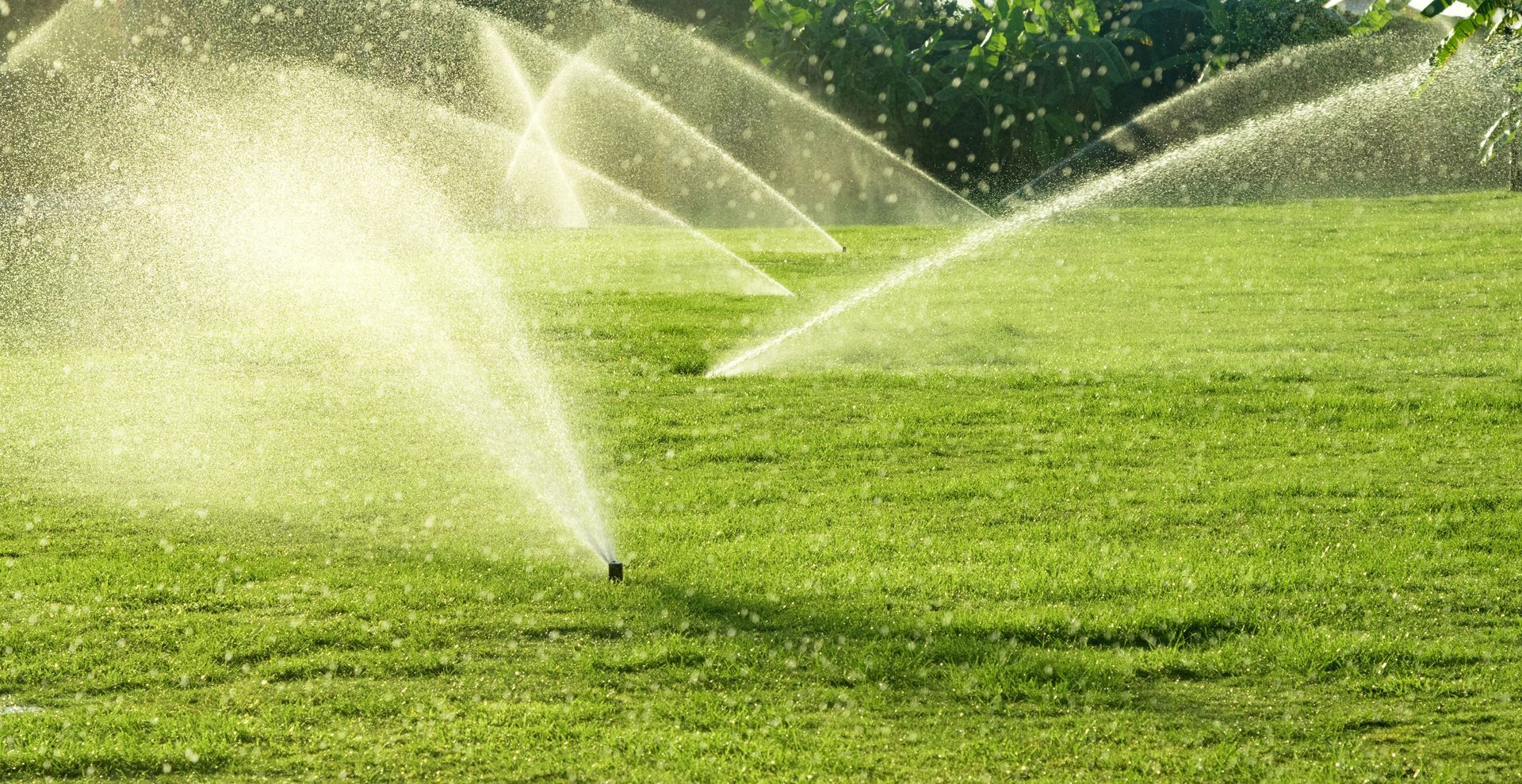
Water plays a central role in maintaining healthy lawns, trees, shrubs, and flower beds. Too little moisture can stress plants, while excessive watering may contribute to root problems, disease, or wasted resources. Achieving the proper balance requires careful planning rather than guesswork.
Professional irrigation planning considers the property's layout, plant types, soil conditions, and drainage characteristics. Different areas often require different watering schedules depending on sunlight exposure and moisture retention. Grass may have different watering needs than ornamental plants or newly installed landscaping.
Working with landscaping contractors helps integrate irrigation planning into the overall landscape design. Rather than treating watering as an afterthought, professionals consider how irrigation supports plant health from the beginning of the project. This coordinated approach helps promote consistent growth while using water more efficiently throughout the landscape.
Seasonal adjustments also remain important. Weather patterns change throughout the year, and irrigation schedules often need to adapt accordingly. Professional guidance helps outdoor spaces remain healthy despite changing environmental conditions.
4. Preventing Drainage Problems Before They Develop
Water should move through a property in a controlled manner. Poor drainage can create standing water, eroded soil, damaged plant beds, or unhealthy turf. These problems often become more noticeable after heavy rainfall but usually begin with underlying grading or drainage issues.
A professionally planned landscape evaluates how water naturally flows across the property. Small elevation changes, drainage pathways, and soil conditions all influence how moisture behaves after storms or irrigation cycles.
Experienced professionals recognize potential drainage concerns during the planning process. Addressing these issues early helps protect both landscaping investments and surrounding structures from unnecessary moisture-related problems.
Drainage planning may also improve the usability of outdoor living areas. Walkways, patios, and gathering spaces remain more comfortable when excess water is directed away effectively, allowing families and guests to enjoy outdoor spaces throughout more of the year.
5. Saving Time Through Professional Project Management
Landscape projects often involve multiple stages that must be completed in the proper sequence. Site preparation, grading, irrigation installation, planting, mulch placement, and finishing touches all require coordination. Delays or improper scheduling can affect the final outcome.
Hiring landscaping contractors allows property owners to benefit from organized project management. Professionals understand how different components work together and coordinate each phase accordingly. This helps projects move efficiently while minimizing unnecessary interruptions.
Professional oversight also helps ensure materials arrive when needed and installation follows established plans. Rather than coordinating multiple services independently, property owners have a central point of communication throughout the project.
This level of organization contributes to a smoother experience while allowing homeowners and business owners to focus on their daily responsibilities instead of managing complex outdoor improvements.
6. Increasing Long-Term Property Value
Outdoor appearance plays an important role in how a property is perceived. Attractive landscaping creates positive first impressions while enhancing the overall character of residential and commercial properties alike.
Well-planned landscapes offer benefits beyond visual appeal. Healthy lawns, mature trees, attractive planting beds, and thoughtfully designed outdoor spaces contribute to a property's overall presentation throughout the seasons. These improvements often enhance enjoyment for current occupants while making the property more appealing to future buyers.
Professional landscape design also helps preserve these improvements over time. Proper plant placement, irrigation planning, drainage management, and ongoing care all contribute to lasting results rather than short-term cosmetic changes.
Choosing landscaping contractors allows property owners to invest in solutions designed with durability in mind. Long-term planning helps landscapes continue performing well as plants mature and outdoor spaces evolve.
7. Supporting Outdoor Living Throughout the Seasons
Outdoor spaces have become increasingly valuable extensions of homes and businesses. Patios, gathering areas, gardens, decorative plantings, and shaded spaces provide opportunities to enjoy fresh air while creating inviting environments for family members, visitors, or customers.
A professionally designed landscape considers how outdoor spaces will be used throughout the year. Seating areas may benefit from strategically placed shade trees, while pathways should remain accessible during changing weather conditions. Seasonal plantings can add color at different times of year without overwhelming the overall design.
Regional climate also influences landscape planning. Selecting plants that perform well locally and incorporating irrigation solutions that support changing seasonal conditions helps landscapes remain healthy despite fluctuations in temperature and rainfall.
Professionals also understand how various landscape elements interact. Trees provide shade as they mature, shrubs create privacy, and ornamental plantings soften hardscape features. When these elements are carefully coordinated, outdoor spaces become both functional and visually appealing.
Working with landscaping contractors also provides confidence that projects are approached with attention to detail, industry knowledge, and an understanding of local growing conditions. Professionals focus on creating landscapes designed to remain attractive, functional, and sustainable over time while adapting to seasonal conditions and the property's unique needs.
Property owners who want to enhance their landscapes benefit from partnering with experienced professionals who understand how thoughtful design, healthy plant selection, efficient irrigation, and careful planning work together. Whether improving curb appeal, creating inviting outdoor living areas, or supporting long-term landscape health, professional guidance helps achieve lasting results.
For those seeking dependable outdoor solutions, Watersmith Irrigation provides expertise that supports beautiful, functional landscapes designed to thrive through every season.