February 27, 2026
Understanding the importance of a well-designed irrigation system for maintaining a healthy lawn. A properly installed lawn irrigation system ensures consistent hydration and long-term landscape vitality. In this article, we will explore the key considerations before embarking on the installation of a lawn irrigation system.
Understanding Your Lawn's Water Needs
Assessing Lawn Type
When planning a lawn irrigation system, it's crucial to evaluate the type of grass you have. Different grass types, such as cool-season and warm-season grasses, have varying water requirements. Cool-season grasses might need more frequent watering, particularly in dry, hot conditions, while warm-season grasses could be more drought-resistant. Assessing the grass type will help tailor the system to provide the precise amount of water needed, fostering lush, healthy growth.
Evaluating Seasonal Water Demand
Understanding your lawn's water requirements throughout the year is essential. Irrigation needs can fluctuate based on seasonal weather variations, such as increased rainfall or drought conditions. During peak summer months, lawns may require more frequent watering to compensate for the evaporation caused by high temperatures. Conversely, during rainy seasons, irrigation schedules should be adjusted to prevent overwatering. Awareness of these seasonal demands can optimize water usage, ensuring sustainability and conserving resources while maximizing the efficiency of your lawn irrigation system.
Exploring Lawn Irrigation System Types
Installing Sprinkler Systems
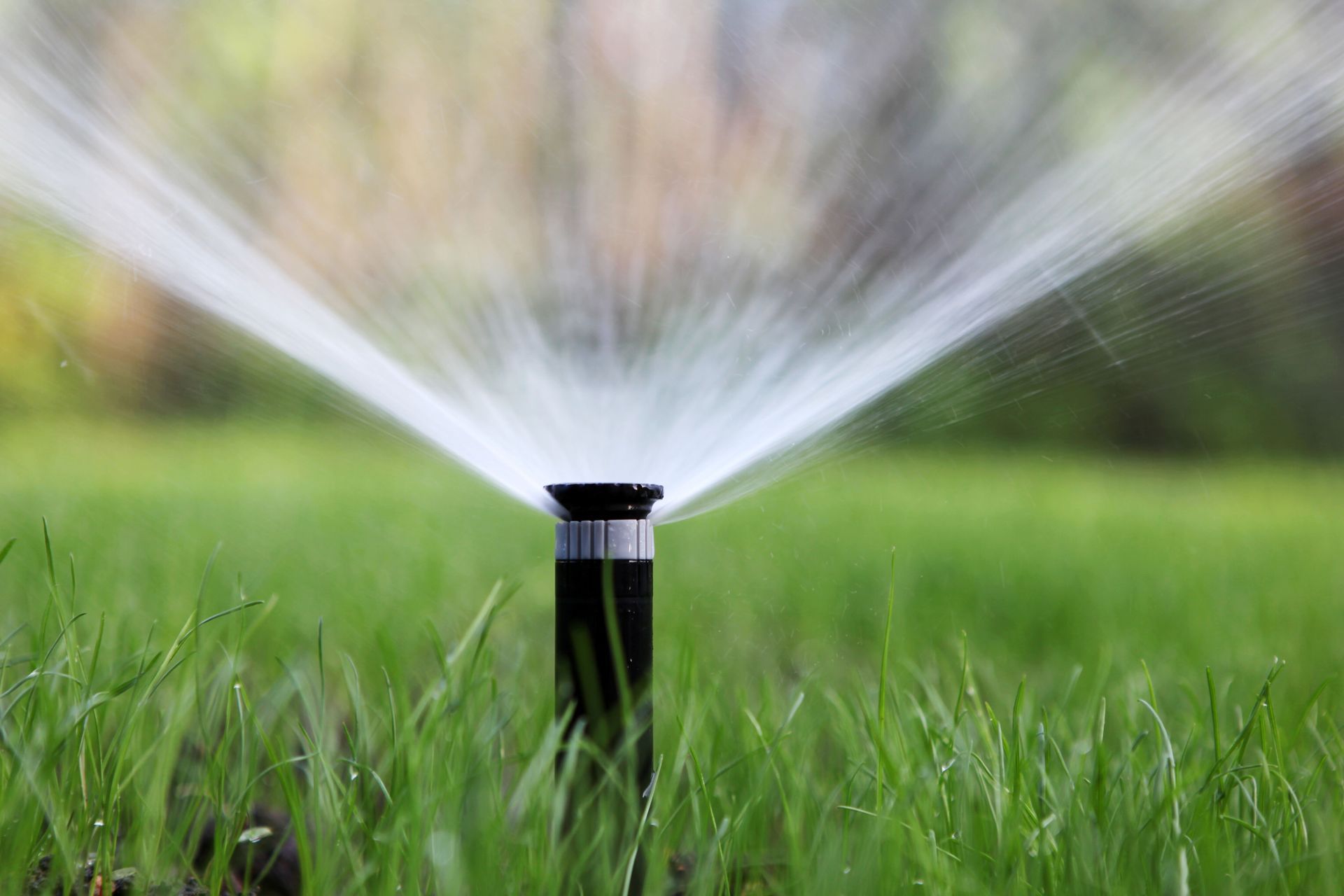
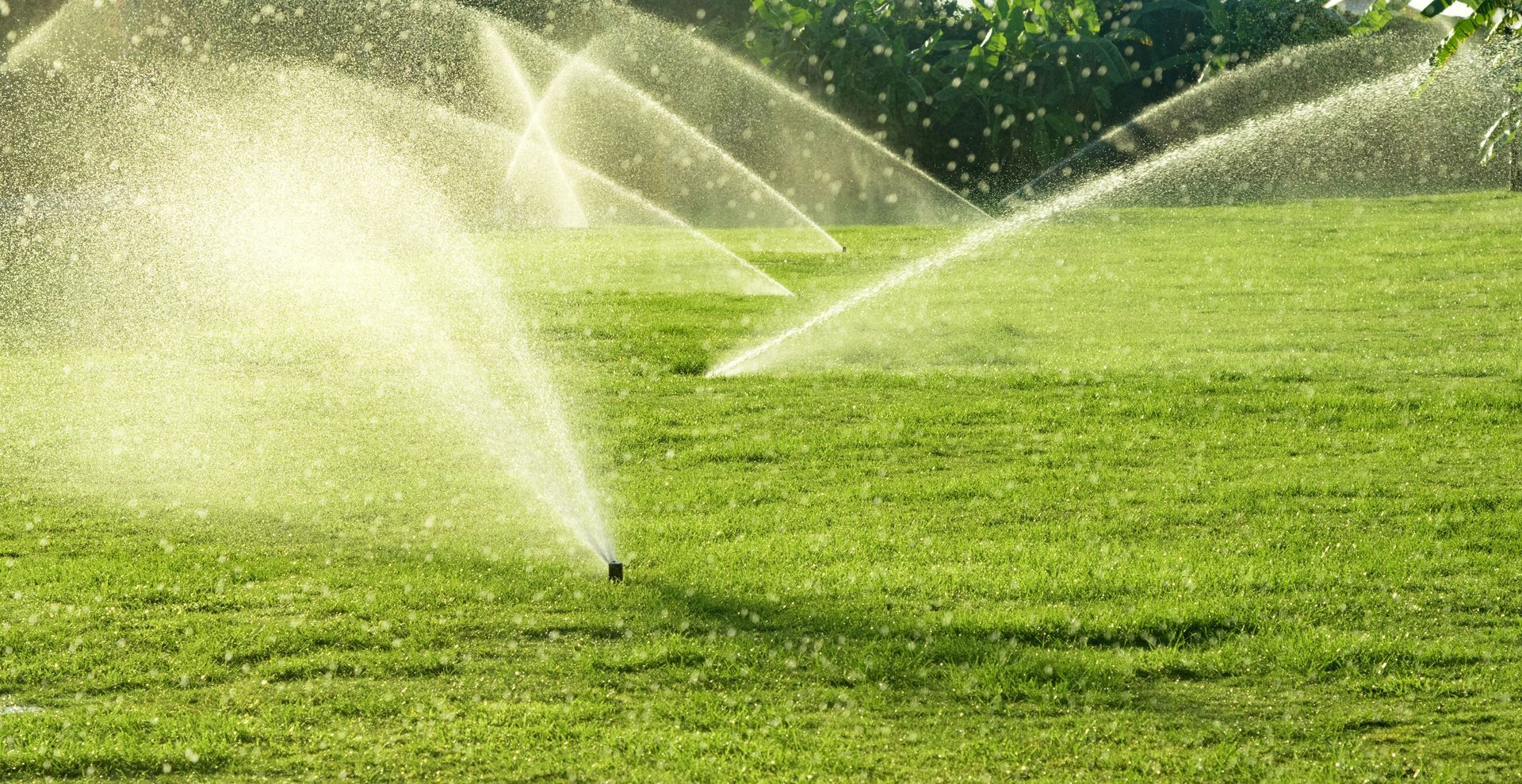
Sprinkler systems are a popular choice for many homeowners due to their widespread coverage and versatility. They can be above ground or installed below the ground for a more discreet and aesthetic appeal. Modern sprinklers often feature adjustable spray patterns to accommodate irregular lawn shapes. However, they may not always be the most efficient option if not well-managed, potentially leading to water waste.
Implementing Drip Irrigation Systems
Drip irrigation systems are designed to deliver water directly to the plant roots, minimizing evaporation. This method is particularly effective in areas where water conservation is a significant concern. According to the Department of Energy, irrigation systems supply 30-50% water savings through efficient distribution. The system's precision and targeted approach help reduce runoff and enhance plant health.
Utilizing Surface Irrigation Methods
Surface irrigation involves directly applying water to the soil surface and allowing it to flow across the ground by gravity. It's one of the most traditional methods and suitable for landscapes with a gentle slope. Although simple and cost-effective, surface irrigation can lead to water inefficiencies if not properly managed. Uneven watering and water pooling can also occur, promoting weed growth and soil erosion.
Planning and Designing Your Irrigation System
Creating an Effective System Layout
Designing a well-thought-out irrigation layout begins with a thorough analysis of your lawn's specific needs. The topography, plant types, and sun exposure areas must all be factored into the layout plans. This proactive approach ensures that each zone receives the precise amount of water it requires. Marking out the system on paper, considering existing features and obstructions, can aid in visualizing the setup. Collaborating with experts or using specialized design software can further refine this process and improve the overall performance of your lawn irrigation system.
Selecting Appropriate Irrigation Equipment
Choosing the correct equipment is crucial to creating an efficient and durable irrigation system. Sprinkler heads appropriate for different lawn areas and pipe diameters suited for varied water pressure are important components. The use of high-quality materials reduces system wear and improves lifespan. Additionally, investing in adjustable and programmable timers or controllers can greatly enhance efficiency. Research and consultation with professionals can guide optimal equipment selection for your lawn's specific conditions.
Designing Efficient Irrigation Zones
Dividing the irrigation system into different zones based on plant type, sun exposure, and watering needs is essential for efficiency. This approach allows each section of the lawn to receive the necessary water without excess. By assigning specific watering schedules to each zone, water waste can be minimized, promoting a healthier lawn and reducing bills.
Installing Your Irrigation System
Preparing the Site and Trenching
Preparing the installation site involves thorough planning and attention to existing landscape features. Careful planning prevents damage to existing plants, trees, or structures during trenching for piping. Ensuring that trenches are dug properly in terms of depth and alignment aids in long-term system stability and performance. Attention to these details is crucial in minimizing landscape disruption. Employing advanced tools or professional assistance can simplify this part of the process and ensure precision.
Installing Piping and Valves
With site preparation completed, the installation of pipes and valves can begin. Selecting durable piping materials suited to weather conditions and pressure demands is essential. Proper valve placement guarantees adequate flow control, isolating zones for maintenance and adjusting water distribution as needed. This step is vital for ensuring that the irrigation system functions efficiently under varied conditions.
Configuring the Control System
The control system functions as the heart of the irrigation operation, managing watering schedules and adjusting flow rates. Installing the control system requires knowledge of electrical connections and system programming, depending on the technology used. Programmable controllers offer flexibility in creating schedules based on the lawn's specific requirements and changing conditions. Troubleshooting issues during initial setup ensures smooth operation and avoids future disruptions. Professional installation may be valuable for more complex setups involving smart technologies.
Maintaining and Troubleshooting Your Irrigation System
Performing Routine System Checks
Regular maintenance checks are essential for maintaining optimal irrigation system performance. Routine inspections can identify potential issues, such as clogged nozzles or misaligned sprinkler heads, before they escalate. A consistent maintenance schedule helps extend the system's lifespan and maintain its efficiency. Cleaning and adjusting components periodically ensures proper water flow and distribution. Partnering with a professional service for regular checks can simplify this process, ensuring thorough examinations and repairs.
Winterizing Your Irrigation System
Winterizing the irrigation system is a critical task in regions with freezing temperatures. Failing to prepare for winter can result in damage to pipes, valve malfunctions, and inefficient performance. Draining the system and using protective coverings can prevent damage caused by ice expansion. Operating without these measures could lead to repairs that are time-consuming and costly. Professional winterization services can ensure all precautions are accurately implemented, safeguarding your system for the next season.
Identifying Common Irrigation Issues
Systematic identification of common irrigation problems can save time and resources. Misaligned sprinkler heads, leaks, and incorrect timer settings frequently impact performance. Promptly addressing these issues can prevent escalation and associated repair costs. Implementing monitoring sensors that alert to these problems enhances system reliability and performance. Clear documentation of the system setup and components aids in quick diagnosis and effective troubleshooting.
Repairing Damaged Irrigation Components
Effective repair strategies ensure continuous and efficient irrigation system operation. Replacing worn or damaged parts, such as nozzles and valves, is often necessary to maintain proper function. Timely repairs avoid water waste and unnecessary pressure on other system components. Having a supply of essential spare parts and a basic tool kit ensures quick fixes and reduces downtime. For more complex repairs, consulting professionals ensure the system is restored to optimal conditions.
Installing a lawn irrigation system is an investment in the long-term health, beauty, and sustainability of your landscape. By understanding your lawn’s unique water needs, selecting the right irrigation method, carefully planning the design, and committing to routine maintenance, you can ensure efficient water use and vibrant growth throughout the year. A properly installed and maintained lawn irrigation system not only saves time and resources but also protects your property’s value and curb appeal.
If you're ready to upgrade your lawn with a professionally designed irrigation system, trust the experts at Watersmith Irrigation. Our experienced team provides customized solutions, expert installation, and dependable maintenance services to keep your landscape thriving. Contact Watersmith Irrigation today to schedule a consultation and take the first step toward a healthier, more efficient lawn.