January 19, 2026
When it comes to building retaining walls, selecting the right material is crucial for durability, aesthetics, and cost-effectiveness. This guide from experienced retaining wall contractors provides a comprehensive look at the most popular materials and offers insights into making the best choice for your project. Understanding the unique characteristics and requirements of each material is vital for achieving the desired functionality and appearance of your retaining wall. Whether you're dealing with sloped terrain or creating a specific aesthetic, the choice of material will directly impact the wall's structural integrity and visual appeal. This guide will help you navigate the myriad options, from traditional materials like stone and timber to more innovative solutions like recycled plastics, ensuring that your retaining wall meets all your project goals.
Understanding Your Needs and Requirements
Assessing Structural Needs
When constructing a retaining wall, understanding the structural needs is paramount. You must consider the weight of the soil retained, which depends on the height and length of the wall. According to Forbes, most retaining walls range from four feet by 25 feet. This translates to 100 square feet, providing a good baseline for residential projects. Ensuring your retaining wall can handle soil pressure, as well as water drainage, will prevent future failures and costly repairs.
Environmental Considerations
Environmental factors are crucial in determining the appropriate material for your retaining wall. The local climate affects material longevity and maintenance needs. For instance, consistently wet environments may cause timber to deteriorate faster than stone or concrete. Additionally, recycling materials or using those that minimize ecological impact can align your project with sustainability goals. Incorporating proper drainage solutions and considering native plants in your design can also enhance the environmental friendliness of the project.
Design Preferences
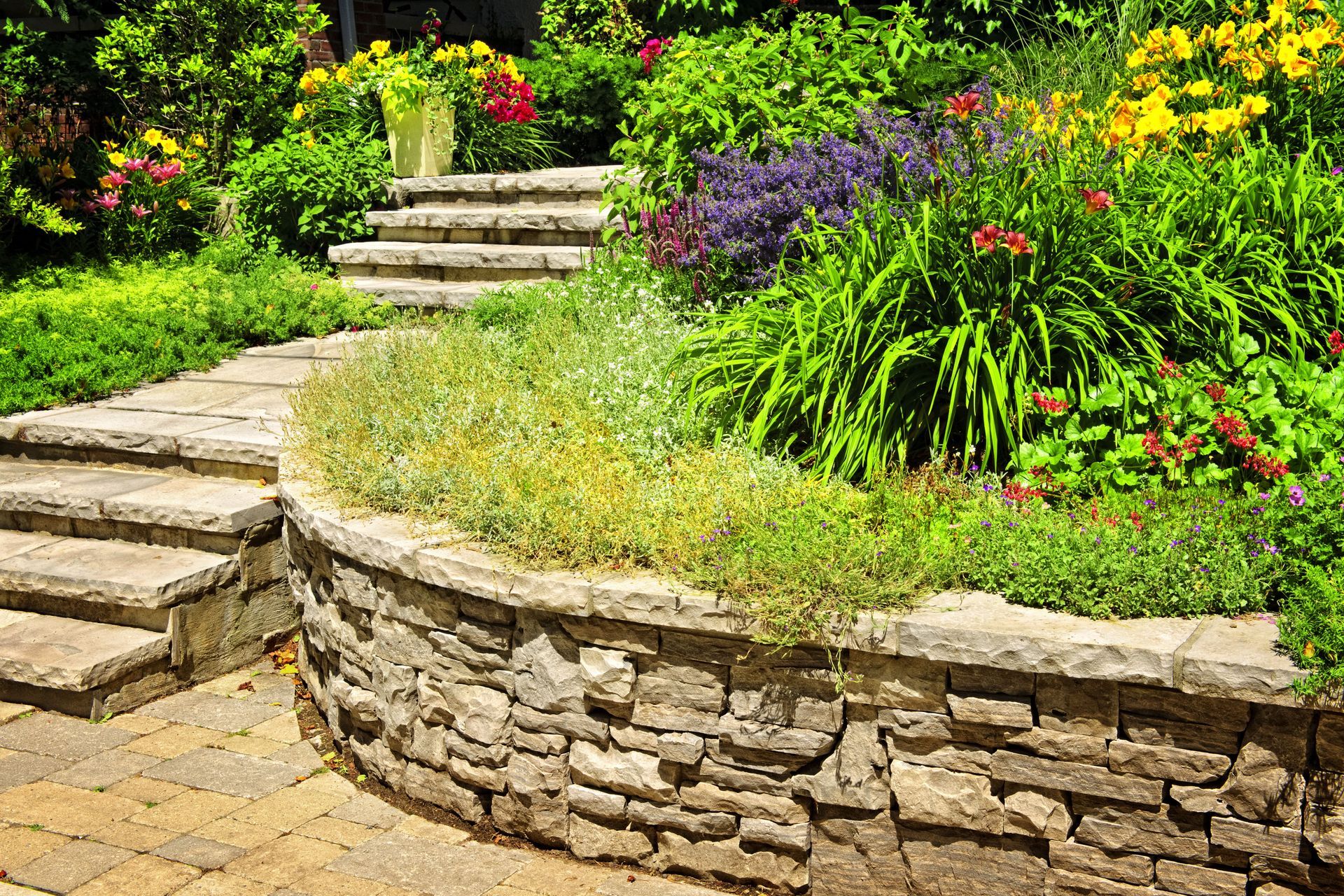
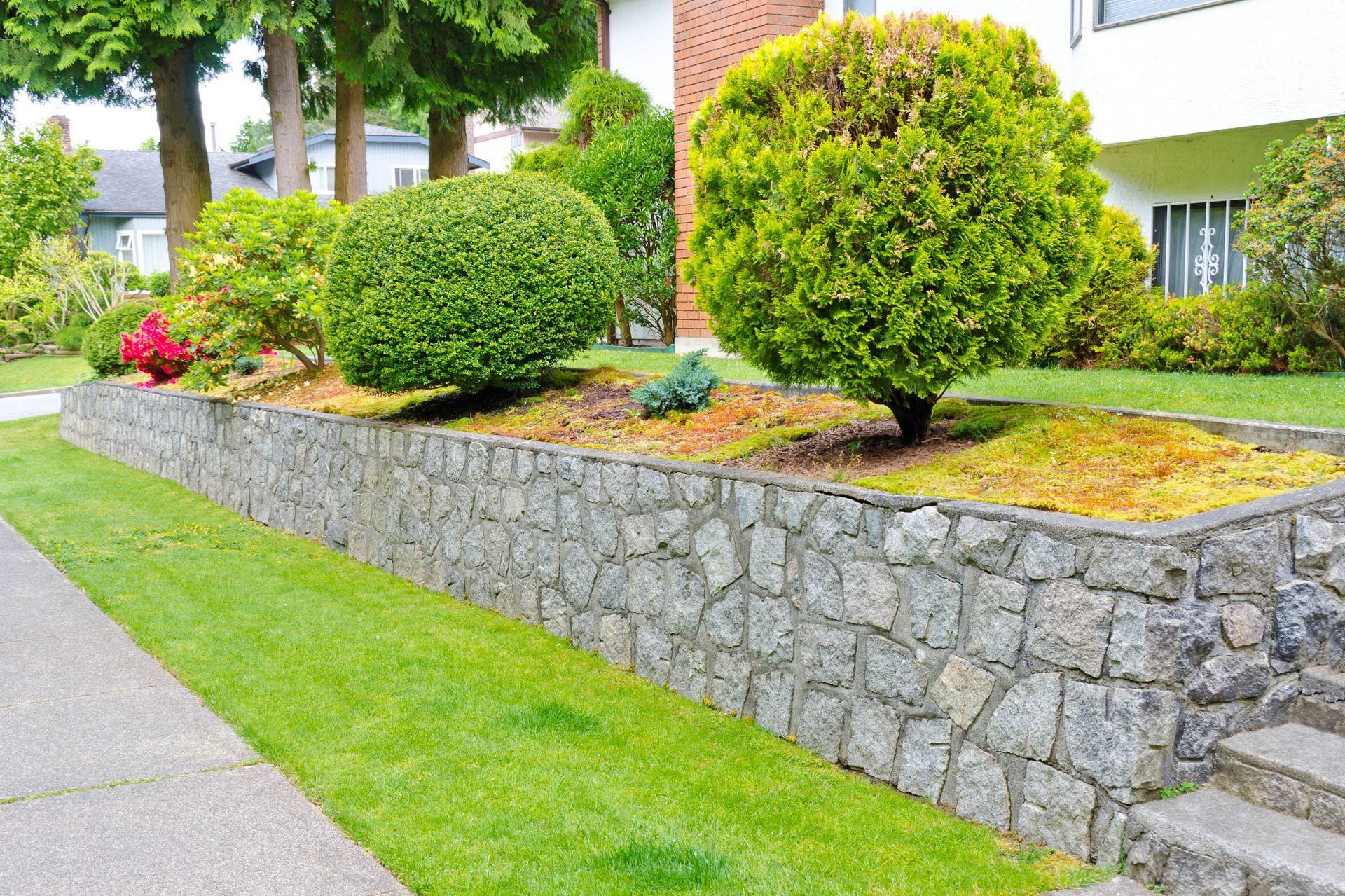
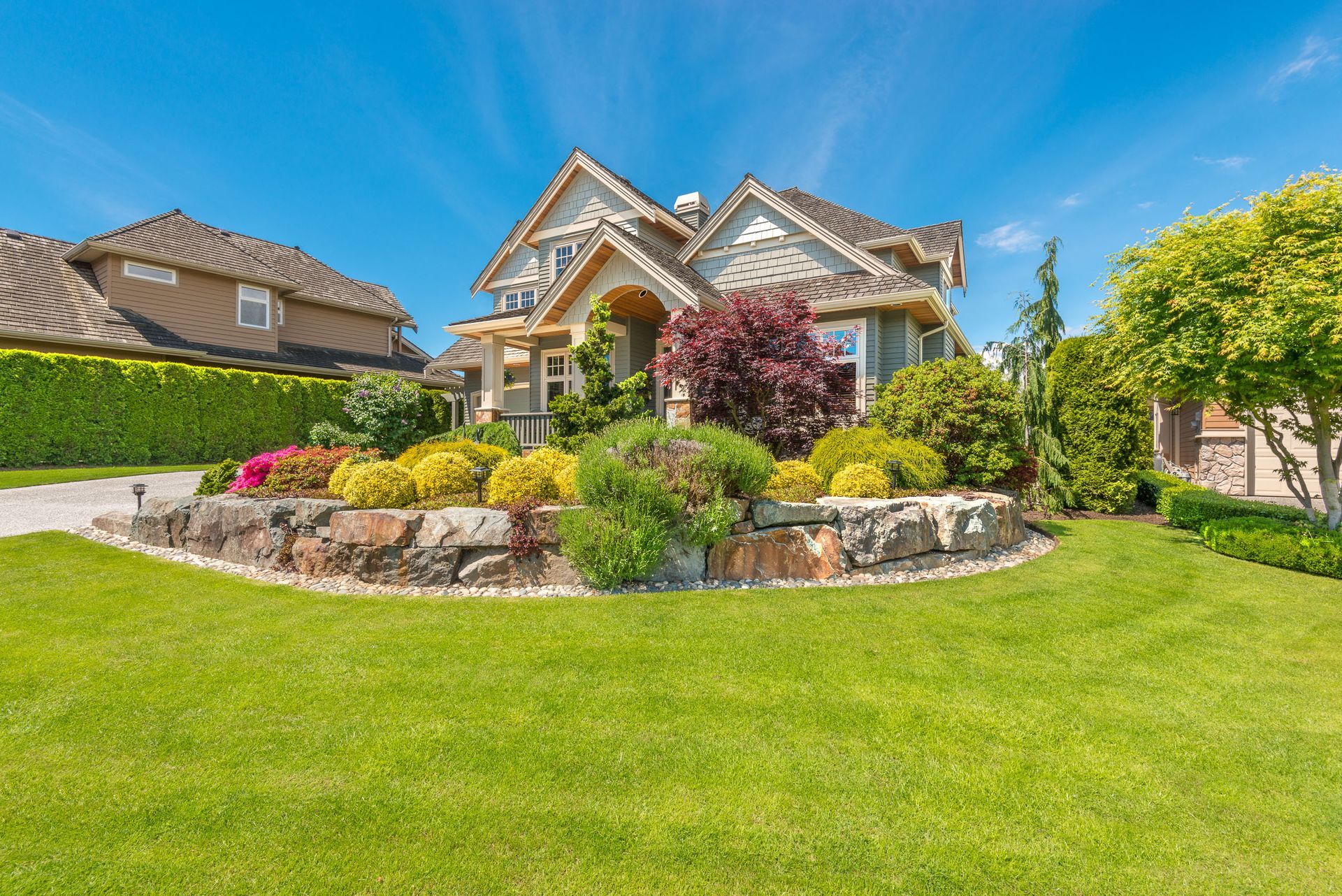
Your personal design preferences will significantly influence the choice of materials for your retaining wall. Aesthetically, stone provides a natural and timeless look that can blend seamlessly with various landscapes. If you prefer a modern appearance, concrete blocks offer a sleek finish suitable for contemporary settings. Conversely, timber can provide a rustic feel, ideal for naturalistic designs. It's crucial to consider how each material complements the surrounding structures and landscape features to achieve a harmonious result.
Budget Constraints
Budget constraints are always a primary consideration in any construction project, including retaining walls. The costs will vary significantly depending on the material; for example, natural stone is often more expensive than timber. However, initial costs should be weighed against long-term maintenance and durability. While timber may be cheaper upfront, its lifespan is shorter, potentially increasing replacement costs. Factor in labor costs as well, as some materials can be more labor-intensive to install, affecting the overall project budget.
Local Regulations and Permits
Before embarking on your retaining wall project, it's essential to be aware of local regulations and permit requirements. Different regions have varying rules regarding wall height, drainage, and material use. Failing to comply with these regulations can result in fines or the need to dismantle non-compliant structures. Consulting with local authorities or a professional retaining wall contractors can provide clarity on what is permissible in your area. In some cases, specific materials might be restricted due to environmental or aesthetic considerations, so local guidelines should be part of your early planning process.
The Affordability and Ease of Timber
Types of Wood for Retaining Walls
Timber is a preferred material for retaining walls due to its affordability and ease of use. Common types of wood include treated pine, cedar, and redwood, each offering distinct properties. Treated pine is widely used for its cost-effectiveness and resistance to decay, thanks to chemical treatments. Cedar and redwood, while more expensive, naturally resist rot and pests, offering better longevity and aesthetic appeal. Selecting the appropriate type of wood involves balancing cost, durability, and appearance to meet project goals.
Pros: Cost and Installation Simplicity
One of the significant advantages of using timber for retaining walls is its lower cost compared to stone or concrete. The materials are typically less expensive, and the installation process is straightforward, reducing labor expenses. Timber walls can be constructed relatively quickly, an ideal scenario for modest projects or temporary installations. Their simplicity also allows for customization, enabling easy modification or extension if necessary. Overall, timber is an attractive option for those on a limited budget who seek a natural look with flexibility in design.
Cons: Maintenance and Lifespan
While timber offers several benefits, it also has notable drawbacks related to maintenance and longevity. Wood is susceptible to rot, warping, and insect damage, often requiring regular treatment and repairs to maintain its integrity. Its lifespan is generally shorter compared to more durable materials like stone or concrete, necessitating eventual replacement. Additionally, timber can be less effective in areas with high moisture levels, where decay can occur more rapidly. Prospective users should weigh these considerations against the initial cost savings to determine if timber meets their long-term needs.
Best Practices for Building with Timber
When building with timber, following best practices ensures a solid and lasting structure. It's essential to use treated wood to prevent rot and insect damage, particularly for components in contact with the ground. Proper drainage systems should be integrated into the design to minimize water exposure and prolong the wall's lifespan. Securing wood with galvanized or stainless steel fasteners helps resist corrosion over time. Regular maintenance, including applying protective stains or sealants, can extend the wall's life and maintain its aesthetic appeal.
Examples of Timber Walls in Practice
Timber retaining walls are successfully used in various scenarios, demonstrating their versatility and appeal. For example, residential gardens often employ timber to create terraces or raised flower beds, enhancing landscaping designs. On sloped properties, timber walls can efficiently manage soil erosion, preventing runoff that could damage property or landscaping. In another instance, a park development used treated pine to construct a series of low retaining walls that seamlessly integrated with natural surroundings. These examples emphasize timber's adaptability and practical application in both residential and public spaces.
Comparative Analysis and Decision-Making
Comparing Costs Across Materials
Cost comparison is a decisive element in choosing the right material for retaining walls. Initial investment and long-term costs, such as maintenance and replacement, should be carefully evaluated. Concrete and stone may have higher upfront installation costs compared to timber and recycled materials. However, their longevity often translates to reduced long-term expenses. Balancing these factors helps in selecting the most cost-effective material aligned with financial resources and project goals.
Evaluating Durability and Performance
Evaluating the durability and performance of retaining wall materials aids in long-term planning and satisfaction. Concrete and stone are praised for their robustness and ability to withstand harsh conditions, proving ideal for high-stress environments. Timber and certain recycled materials, while less durable, can offer satisfactory performance with regular maintenance. By contrasting durability alongside project requirements, users can make informed decisions, ensuring that their investment meets intended longevity and structural integrity.
Assessing Environmental Impact
With increasing focus on sustainability, assessing the environmental impact of retaining wall materials is more important than ever. Recycled materials and locally sourced options can significantly reduce a project's carbon footprint. Choosing materials that integrate drainage solutions and minimize waste production further enhances environmental responsibility. Retaining wall contractors should evaluate the ecological benefits of each option, considering how these align with the project's goals. In promoting sustainable practices, users contribute to a reduction in overall environmental impact across the construction industry.
Factors in Final Decision-Making
The final decision-making process involves balancing multiple factors to select the optimal retaining wall material. Structural requirements, budget constraints, design preferences, and environmental goals all contribute to shaping this choice. Consulting with professional retaining wall contractors provides insight into material performance, contributing to informed decision-making. By understanding the pros and cons of each material, users can align their decisions with both immediate needs and long-term objectives. Ultimately, the right choice ensures a durable, aesthetically pleasing, and sustainable retaining wall solution.
Choosing the right material for your retaining wall requires a careful balance of needs, including structural integrity, style, and budget. Rely on the expertise of retaining wall contractors to guide you through this process and achieve successful results. If you're looking for retaining wall contractors, contact Watersmith Irrigation today.