January 5, 2026
The necessity of sustainable practices is becoming increasingly important in a world striving to conserve resources and minimize environmental impact. One such practice that stands out is the implementation of a lawn irrigation system. As water availability becomes more strained, homeowners and communities alike are looking for smarter ways to manage outdoor water use. A well-designed lawn irrigation system supports healthier landscapes while reducing unnecessary waste. In this article, we explore the sustainability benefits and key economic, environmental, and social contributions of using a lawn irrigation system.
1. Water Efficiency and Conservation
1.1 Precision Watering Techniques
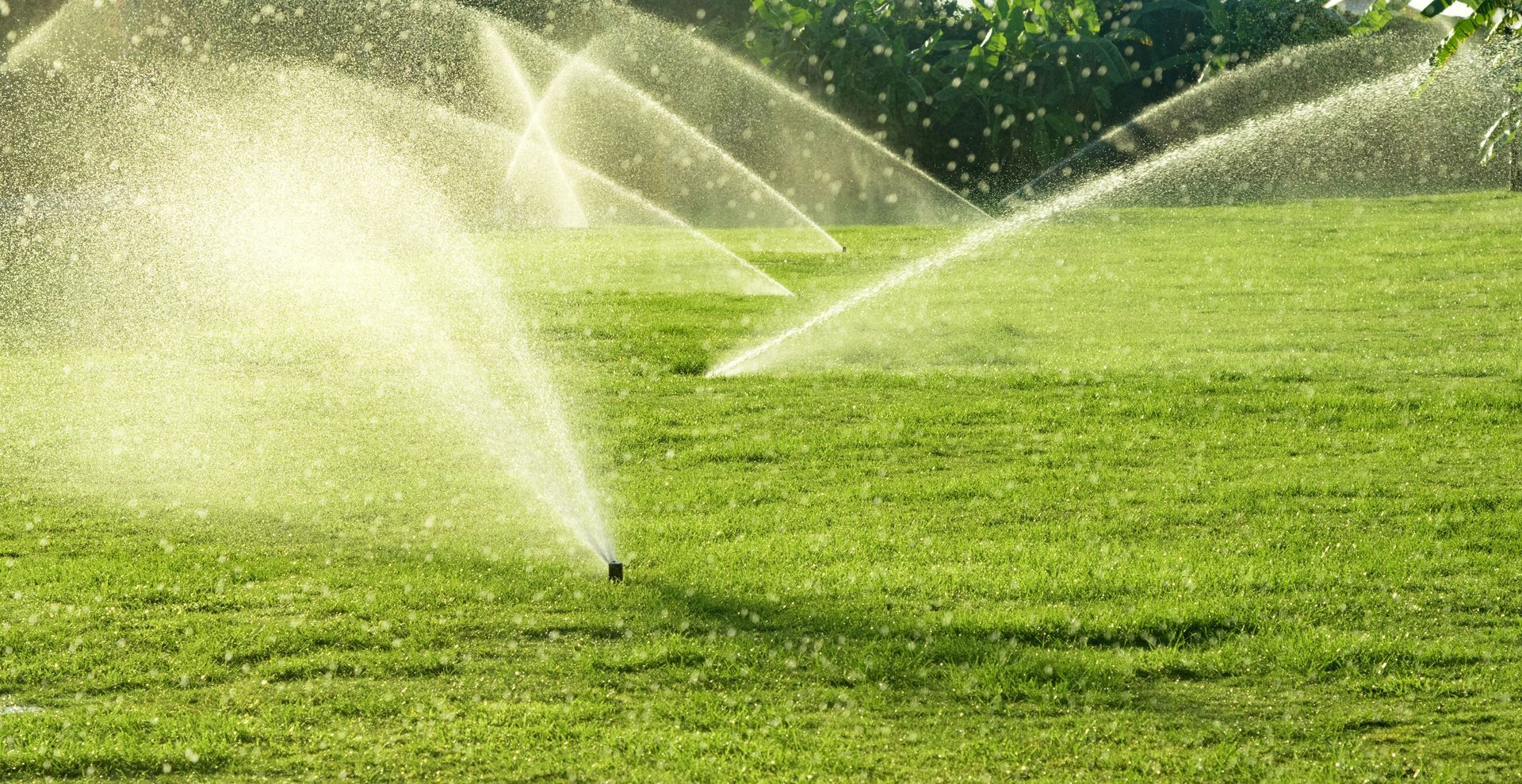
Precision watering techniques are at the forefront of modern irrigation solutions. A properly configured lawn irrigation system applies water only where and when it is needed, significantly reducing waste. These systems often rely on sensors and programmable timers that allow for targeted watering based on soil conditions and plant requirements. This approach helps maintain consistent moisture levels while avoiding overwatering. By relying on precision, a lawn irrigation system supports water conservation and healthier plant growth.
1.2 Reduction of Water Waste
Water waste is a major concern in traditional lawn care practices. Manual watering and hose-based methods often lead to runoff and uneven coverage. A lawn irrigation system reduces this problem by distributing water evenly and at controlled rates. Preventing oversaturation protects soil structure and minimizes erosion. Over time, using a lawn irrigation system contributes to reduced demand on local freshwater supplies, which are increasingly under pressure.
1.3 Smart Irrigation Technologies
Smart irrigation technologies continue to redefine how landscapes are watered. Many modern lawn irrigation system designs integrate weather data to automatically adjust watering schedules. This prevents unnecessary watering during rainfall or cooler periods. Remote access through mobile apps also allows users to monitor usage and make quick adjustments. These intelligent features make a lawn irrigation system an effective tool for long-term water efficiency.
2. Long-Term Cost Savings
2.1 Lower Utility Bills
One of the most practical benefits of installing a lawn irrigation system is reduced water consumption. Efficient scheduling and targeted delivery lower overall usage, which directly impacts monthly utility bills. As water rates continue to rise in many regions, these savings become increasingly valuable. Over time, a lawn irrigation system often offsets its initial investment through consistent reductions in water costs.
2.2 Reduced Maintenance Costs
A healthy lawn requires less intervention. When watering is consistent and appropriate, plants experience fewer stress-related issues. A lawn irrigation system minimizes the need for reseeding, excessive fertilization, and pest control treatments. Automated systems also reduce labor demands associated with manual watering. These efficiencies make a lawn irrigation system a cost-conscious option for long-term lawn care.
2.3 Increased Property Value
Well-maintained landscapes add visual appeal and marketability. Homes equipped with a lawn irrigation system often attract buyers who value convenience and sustainability. Automated irrigation signals thoughtful property management and modern infrastructure. In competitive real estate markets, a lawn irrigation system can serve as a practical upgrade that supports higher property value.
3. Environmental Benefits
3.1 Reduction in Lawn Runoff and Pollution
Runoff from overwatering can carry fertilizers and chemicals into nearby waterways. A lawn irrigation system minimizes this risk by applying water gradually and evenly. Controlled watering reduces the likelihood of excess runoff entering storm drains and streams. According to a U.S. Geological Survey report, agriculture is a major user of ground and surface water in the United States, and irrigation accounted for 42 percent of the Nation’s total freshwater withdrawals. Improving efficiency through a lawn irrigation system supports broader efforts to reduce strain on shared water resources.
3.2 Support for Local Ecosystems
Balanced watering promotes healthier soil and stronger root systems. A lawn irrigation system helps maintain stable moisture levels that support native plants and beneficial microorganisms. Reduced water waste also limits disruption to surrounding habitats. By managing water responsibly, a lawn irrigation system contributes to more resilient local ecosystems.
3.3 Lower Carbon Footprint
Efficient water use has indirect energy benefits. A lawn irrigation system reduces the energy required to pump, treat, and transport water. Healthier lawns also demand fewer gas-powered maintenance tools and chemical inputs. When paired with energy-efficient components, a lawn irrigation system supports lower overall emissions associated with lawn care.
4. Technological Advancements in Irrigation
4.1 Smart Controllers and Sensors
Technological innovation has greatly improved irrigation performance. Modern controllers and sensors allow a lawn irrigation system to respond to real-time soil moisture and environmental conditions. Automated adjustments prevent overwatering and optimize plant health. These advancements make a lawn irrigation system more reliable and easier to manage than ever before.
4.2 Integration with Weather Data
Weather-based scheduling is a defining feature of advanced systems. By incorporating forecasts, a lawn irrigation system can pause or reduce watering during rainy periods. This responsiveness supports conservation goals while maintaining consistent lawn quality. Weather integration further strengthens the efficiency of a lawn irrigation system in changing climate conditions.
4.3 Innovations in Sprinkler Systems
New sprinkler designs focus on accuracy and adaptability. Adjustable nozzles and low-pressure delivery allow a lawn irrigation system to target specific areas without overspray. Directing water to root zones reduces evaporation and runoff. These innovations enhance the overall performance of a lawn irrigation system.
5. Impacts on Community Welfare
5.1 Aesthetic and Recreational Benefits
Healthy lawns contribute to attractive public and private spaces. Parks, shared green areas, and residential landscapes benefit from the consistency provided by a lawn irrigation system. These spaces become more inviting for recreation and social interaction. Visual improvements supported by a lawn irrigation system enhance neighborhood appeal.
5.2 Educational Opportunities
Irrigation technology also offers learning opportunities. Schools and community programs can use a lawn irrigation system to demonstrate responsible water management. Exposure to these systems encourages environmental awareness and interest in sustainable technology. A lawn irrigation system serves as a practical teaching tool for conservation principles.
5.3 Employment and Local Economies
The demand for efficient irrigation supports local job growth. Installing and maintaining a lawn irrigation system requires skilled professionals, contributing to economic activity. As sustainability initiatives expand, the need for irrigation expertise continues to grow. Investment in a lawn irrigation system also supports local service providers.
6. Challenges and Solutions
6.1 Overcoming Initial Implementation Barriers
Upfront costs and installation complexity can discourage adoption. However, rebates and financing options make a lawn irrigation system more accessible. Education about long-term savings helps homeowners evaluate the value accurately. Community incentives often play a role in encouraging lawn irrigation system installation.
6.2 Addressing Misconceptions and Myths
Some homeowners view automated irrigation as unnecessary. Demonstrating how a lawn irrigation system reduces waste and improves lawn health helps counter this perception. Educational outreach highlights simplicity and reliability. These efforts increase confidence in adopting a lawn irrigation system.
6.3 Dealing with Technical and Maintenance Issues
Like any system, maintenance is required. User-friendly interfaces and routine inspections help keep a lawn irrigation system running efficiently. Professional support simplifies troubleshooting and extends system lifespan. Proper care maximizes the benefits of a lawn irrigation system over time.
The adoption of a lawn irrigation system represents a meaningful step toward sustainable landscaping. Through efficient water use, long-term cost savings, and environmental responsibility, a lawn irrigation system supports healthier outdoor spaces and smarter resource management. Looking to upgrade to a lawn irrigation system? Reach out to Watersmith Irrigation today to learn more.