January 2, 2026
Retaining walls are essential structures that help prevent soil erosion and manage water runoff on your property. Ensuring their stability is critical for the safety of your home and landscape. Below, you'll learn about retaining walls and when you need to contact a retaining wall contractor. Understanding the importance of regular maintenance and inspection will help prevent costly repairs and potential safety hazards. Homeowners must remain vigilant and proactive in maintaining the integrity of their retaining walls.
Understanding Retaining Walls
Types of Retaining Walls
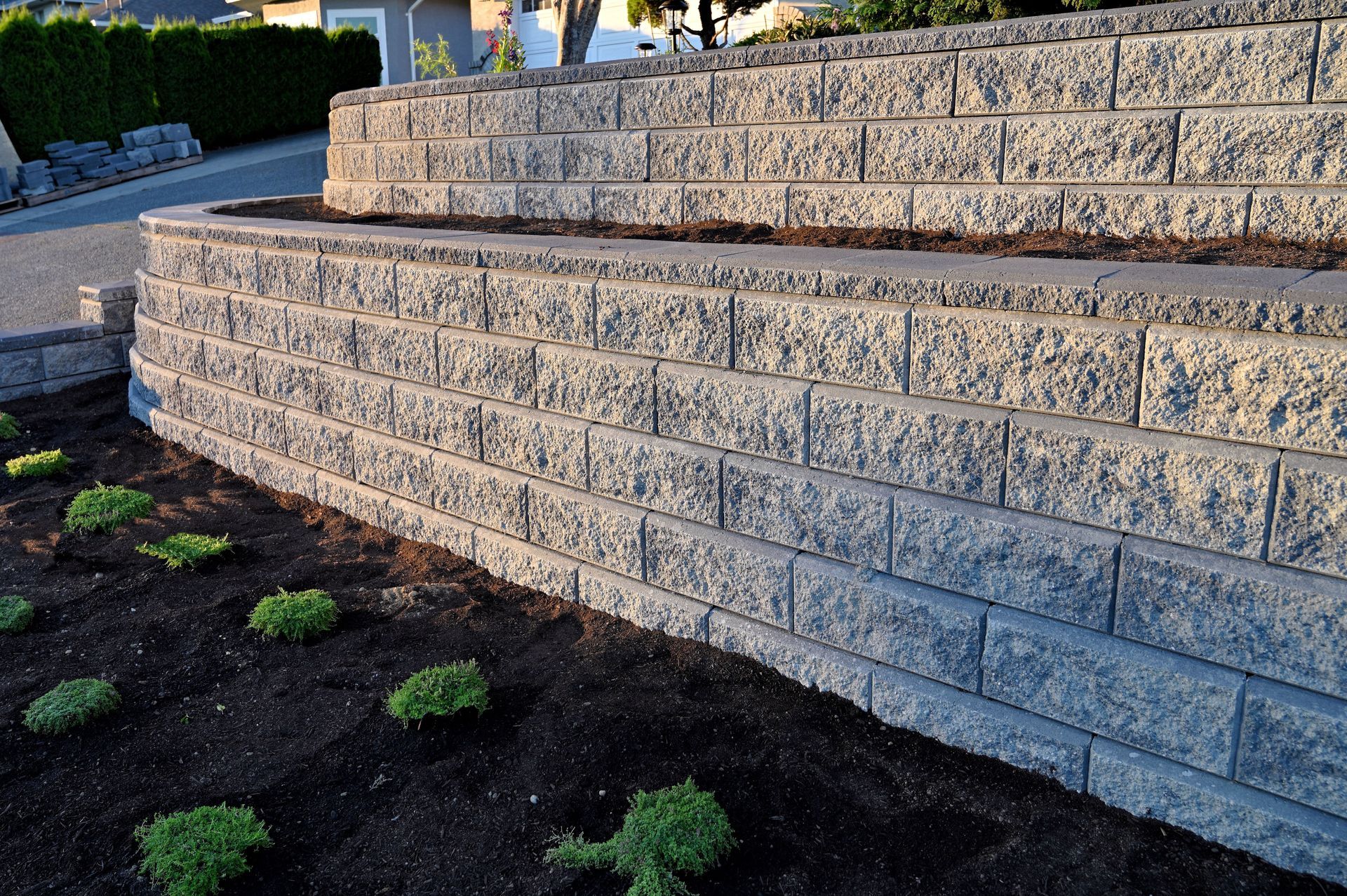
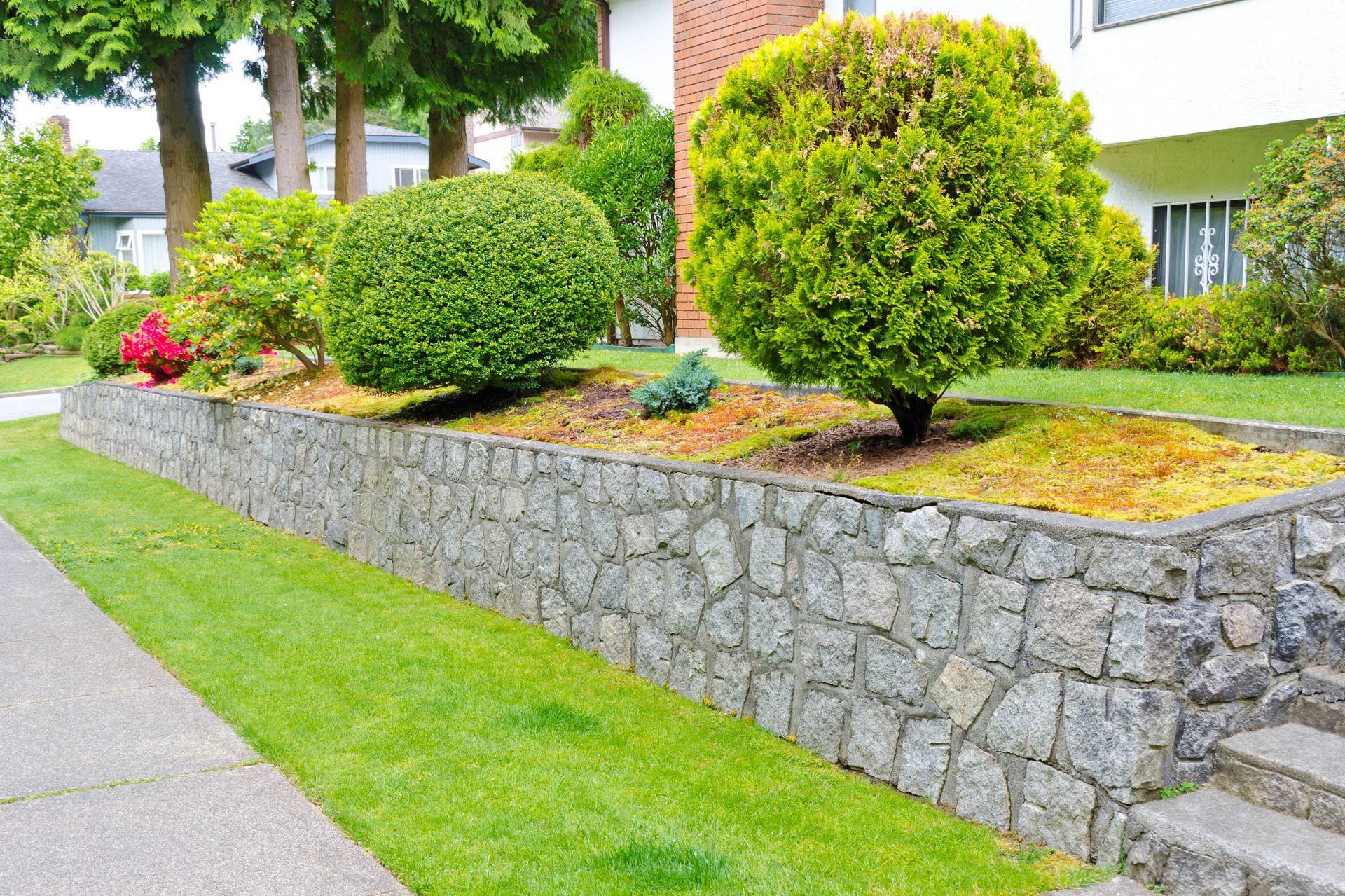
Retaining walls come in various types, with each designed to meet specific structural needs and site conditions. Gravity walls rely on their massive weight to retain soil and are typically made from concrete or stone. Cantilevered walls use a reinforced concrete base to support a vertical wall, which acts like a lever. Sheet piling walls are constructed by driving steel, vinyl, or wooden planks into the soil, often used in tight spaces. Anchored walls incorporate cables or other supports anchored in the earth behind, providing extra strength for taller walls.
Choosing the appropriate type of retaining wall depends on several factors, such as soil type, wall height, and the load it must bear. A retaining wall contractor can tell you all you need to know to choose the right type. Gravity walls are best for short to medium heights, often integrating with landscaping. Cantilevered walls are preferred for substantial load-bearing requirements. Sheet piling works well in soft soil conditions where space conservation is essential. Anchored walls are more complex but are highly effective for very tall walls or with heavy loads.
Each retaining wall type comes with specific design and engineering considerations. Gravity and cantilevered walls require precise calculations to ensure stability and prevent failure. Anchored and sheet piling walls also demand expert installation to guarantee safety. As retaining wall height increases, so do the complexities and risks involved. According to International Real Estate Agent, retaining walls over 2 meters (around 6.5 feet) tall are strictly regulated under the Building Standards Act, since non-compliance can lead to structural failure risks, especially during heavy rain or earthquakes, endangering nearby property and people.
Functions and Importance
Retaining walls play a fundamental role in maintaining the integrity and usability of a landscape by minimizing soil erosion. They stabilize slopes, creating usable flat areas and preventing landslides. Additionally, retaining walls manage water runoff, directing drainage efficiently to prevent pooling or flooding. Properly designed walls protect structures and landscapes from water damage by redirecting and dispersing water flow. Their importance in residential construction extends beyond aesthetics, significantly impacting property safety and functionality.
The effectiveness of a retaining wall is contingent on its ability to manage pressure from retained earth and water. Walls that fail to withstand this pressure can compromise both safety and property investment. Regular inspection and maintenance are critical in identifying potential weaknesses before they become significant issues. Homeowners relying on retaining walls should appreciate their vital role in preventing landscape devastation, especially on hilly terrains prone to erosion. Understanding these structures' significance underscores the need for diligent care and inspection.
Retaining walls also serve aesthetic purposes, enhancing landscapes by adding depth and definition. They can be artistic and functional elements that improve property value. With proper selection of materials and design, retaining walls seamlessly blend into the natural environment. While crucial for structural safety and landscape management, retaining walls offer opportunities for creativity and landscape enhancement. Whether for purely functional or aesthetic reasons, the presence of a retaining wall embodies a significant investment in property value and safety.
Structural and Surface Warning Signs
Visible Cracks and Gaps
Cracks in retaining walls can be an early sign of structural problems needing immediate attention from a professional retaining wall contractor. Vertical cracks often occur due to settlement or uneven foundations under the wall. Horizontal cracks are more alarming as they signify significant lateral pressure from the retained earth or water behind the wall. Small, hairline cracks are less concerning but should still be monitored for growth, while larger, more pronounced cracks may require professional assessment. Understanding the nature and implications of different crack types is crucial for maintaining wall safety.
Gaps between stones or blocks in a retaining wall might result from soil movement or inadequate construction. These gaps allow water penetration, exacerbating existing issues and further stressing the wall. Consistent monitoring and addressing these gaps can prevent worsening conditions, minimizing risks of structural failure. Significant gaps necessitate professional intervention from a retaining wall contractor. Awareness of visible cracks and gaps is essential to retaining wall inspection and maintenance.
Documenting and examining crack patterns within retaining walls provides insight into possible underlying problems. Keeping detailed records allows monitoring for changes, helping to determine if cracking is progressing or stable. Early intervention often involves cosmetic repairs and improved drainage, reducing pressure on the wall. Consulting with professionals is necessary for extensive cracks, ensuring accurate assessment and remediation strategies. By remaining vigilant and informed on crack development, homeowners can proactively address potential threats to wall integrity.
Bowing, Bulging, or Leaning
Bowing, bulging, or leaning of a retaining wall signals significant structural concerns needing prompt attention. These deformations typically result from excessive lateral pressure, poor construction, or inadequate engineering. Identifying these problems early allows for corrective measures before the wall experiences catastrophic failure. For example, the installation of anchors or tie-backs can help stabilize walls exhibiting these signs. Consulting with professionals for an accurate diagnosis and remediation plan is vital when signs of bowing, bulging, or leaning emerge.
Bowing or bulging walls might reflect insufficient or failed drainage systems, leading to excess water pressure behind the wall. Accumulated hydrostatic pressure can distort the wall structure, causing it to bow outward. Proper drainage solutions can alleviate pressure, preventing further deterioration and reducing failure risks. Implementing remedial strategies such as improving drainage or soil reinforcement can restore wall stability. Early detection and intervention offer the best chance of mitigating damage from bowing or bulging walls.
Leaning walls can result from several factors, including foundation settling, inadequate support, or excessive load. Regular inspections and documentation are crucial in identifying and tracking lean progression. Severity assessments determine appropriate interventions, ranging from reinforcement to full wall reconstruction. Professional assessment from a retaining wall contractor is critical for accurately identifying leaning causes and avoiding unforeseen secondary issues. Recognizing and addressing bowing, bulging, or leaning signs ensures that retaining walls maintain structural integrity and safety.
Water Seepage and Staining
Water seepage and staining on retaining walls are often early warning signs that moisture is collecting where it shouldn't. While these issues may start out appearing cosmetic, they often point to underlying drainage or structural problems that need prompt attention. Staining can occur when water consistently seeps through porous materials, carrying minerals or soil particles along with it. Over time, these minerals leave visible streaks or discoloration on the wall's surface. Though staining alone may not signal immediate failure, it indicates that water is moving through the wall instead of being redirected properlysomething that can worsen with continued exposure.
Persistent visible damp spots, dark patches, or algae growth are strong indicators that water is not draining away from the wall as intended. When moisture continually permeates the wall, it can weaken mortar joints, deteriorate block materials, and accelerate freeze-thaw damage during colder months. Water trapped behind the wall increases hydrostatic pressure, placing significant stress on the structure. If this pressure becomes too great, the wall may begin to bulge, crack, or shift. Recognizing seepage early allows homeowners to address drainage issues with a retaining wall contractor before they evolve into costly repair needs.
Mineral deposits, commonly known as efflorescence, are another common sign of moisture movement. These chalky white residues form when water passes through masonry or concrete, dissolving mineral salts that later form crystals on the surface. While efflorescence is often harmless at first, repeated occurrences mean that water is regularly penetrating the wall. If ignored, this constant moisture exposure can degrade the wall materials and allow small cracks or voids to expand. Regular cleaning combined with improved drainage measures can help slow or prevent further material breakdown.
Retaining walls are more than just landscape featuresthey're critical structures that protect your property, manage water flow, and prevent soil erosion. Regular inspection and maintenance are essential for identifying early warning signs such as cracks, gaps, bowing, leaning, or water seepage and staining. Addressing these issues promptly can prevent minor problems from escalating into costly repairs or structural failures. By prioritizing maintenance and timely interventions, homeowners can enjoy the full benefits of retaining walls while protecting their investment for years to come. Contact Watersmith Irrigation today to learn more about retaining walls from a knowledgeable retaining wall contractor.