December 22, 2025
Explore the benefits of a lawn irrigation system and how it is an efficient solution for conserving water. In today's world, where water conservation is crucial, an efficient irrigation system not only keeps your lawn healthy but also contributes to environmental sustainability. As urban areas grow and climate patterns shift, ensuring responsible water use becomes increasingly important. Lawn irrigation systems play a pivotal role in reducing water usage while maintaining the health of our green spaces. This article delves into the multifaceted advantages of implementing an irrigation system for your lawn, highlighting both immediate and long-term benefits.
Understanding Lawn Irrigation Systems
What is a Lawn Irrigation System?
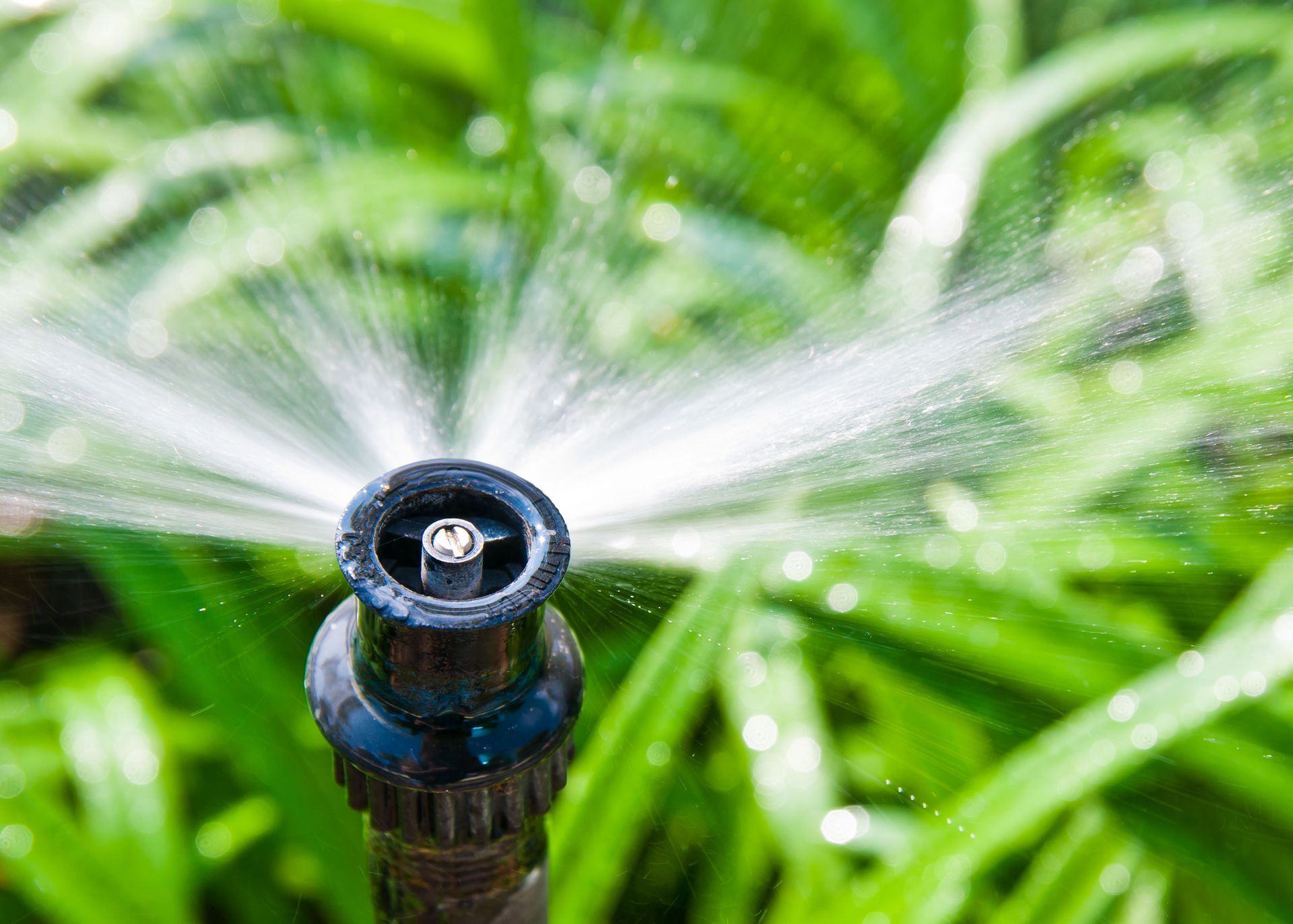
A lawn irrigation system is a network of pipes, sprinklers, and valves designed to automate the delivery of water to lawns and other landscaped areas. It functions like a choreographed dance, with components working systematically to ensure uniform and efficient water distribution. The tools used complete various tasks, from timers controlling the flow to rotors distributing water evenly across specified areas. Unlike manual watering, these systems are planned to reduce wastage, applying water precisely where and when it's needed. This strategic water application not only optimizes use but enhances the vibrancy and health of your garden.
Types of Irrigation Systems
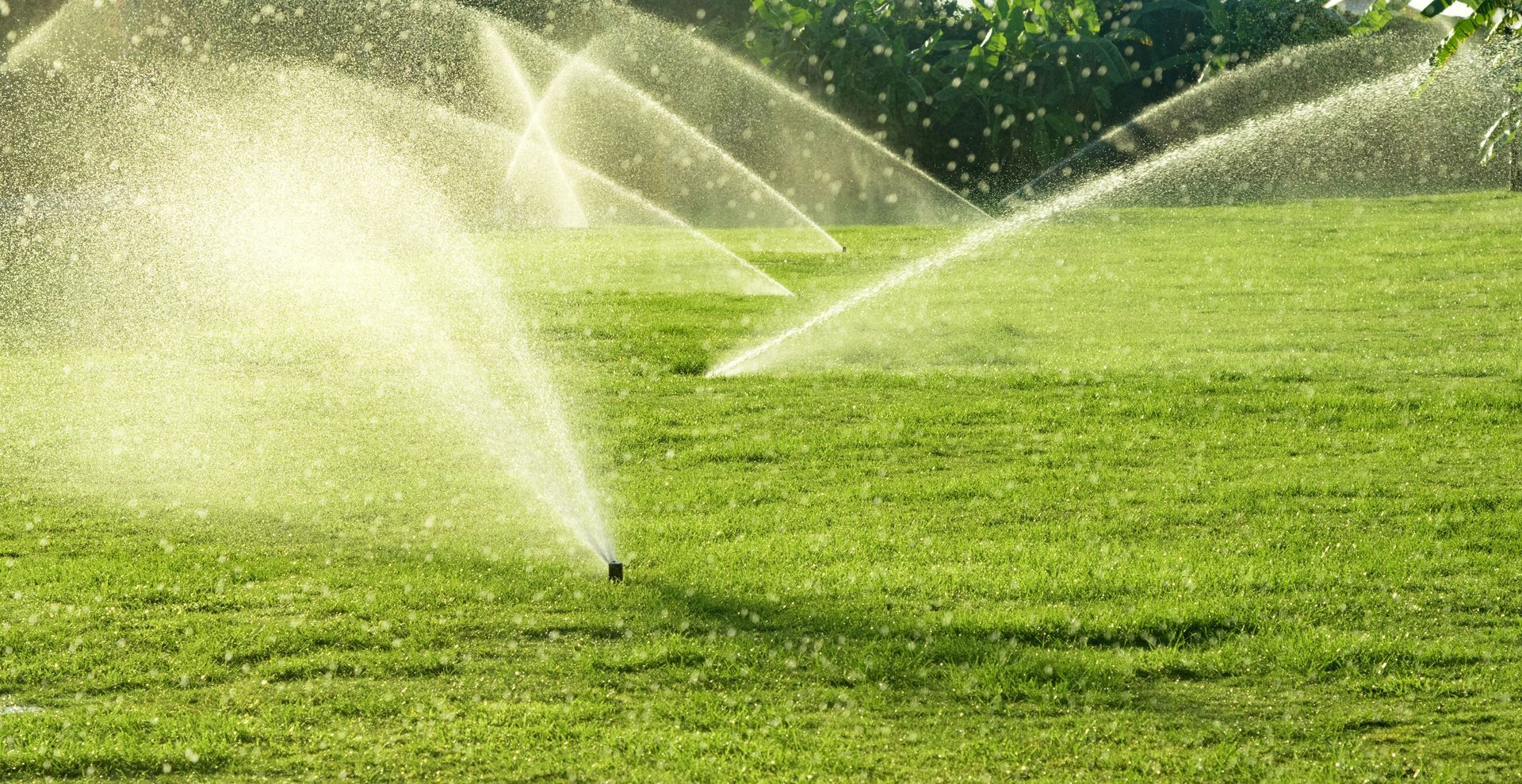
There are several types of lawn irrigation systems, each suitable for different needs and landscapes. The most common systems include spray irrigation, drip irrigation, and rotor systems. Spray irrigation covers large areas and mimics natural rainfall, making it an ideal choice for expansive lawns. Drip irrigation precisely delivers water directly to the root zone, minimizing runoff and evaporation—perfect for gardens and areas with uneven terrain. Rotor systems, often programmable, offer a versatile solution for varying lawn shapes and sizes by delivering consistent coverage.
Components of an Irrigation System
The fundamental components of an irrigation system include the controller, valves, pipes, and sprinkler heads. The controller acts as the brain, scheduling the flow of water based on settings and environmental conditions. Valves regulate water pressure, opening and closing to control water flow to different zones. Pipes guide the water from the main source to the different parts of the lawn, with sprinkler heads distributing it evenly across the directed landscape. Understanding these components is essential for efficient operation and maintenance of an irrigation system.
Technology Used in Modern Systems
Modern irrigation systems integrate advanced technologies for enhanced efficiency and customization. Smart controllers connect with weather data and soil moisture sensors to adjust watering schedules automatically, responding dynamically to environmental changes. These technologies ensure water is used consciously and sparingly, contributing to broader conservation efforts. Wireless connections enable remote monitoring and adjustments via smartphone apps, providing homeowners more control wherever they may be. Such innovations help achieve significant water savings, and according to the Bureau of Reclamation, there is a system-wide water conservation savings of at least 3 million acre-feet through the end of 2026.
Basic Functionality and Operation
The operation of lawn irrigation systems follows a meticulously scheduled routine to maximize efficiency and minimize waste. Firstly, the system's controller sets the watering times and durations tailored to the specific lawn's needs. Valves open at designated intervals, allowing water to flow through pipes to sprinkler heads, facilitating an evenly distributed watering pattern. The entire process can be adjusted based on real-time data from soil moisture sensors or weather predictions, ensuring adaptability. This automation significantly reduces manual labor and resource waste, promoting sustainable lawn maintenance practices.
The Role of Lawn Irrigation Systems in Water Conservation
Efficient Water Distribution
One of the hallmark benefits of lawn irrigation systems is their ability to distribute water efficiently. They are designed to deliver water directly to the root zones, reducing surface runoff and evaporation. By ensuring that water reaches only where it is needed, these systems diminish unnecessary water use. This precise delivery not only conserves water but improves the overall health of the lawn by eliminating dry patches. Consequently, they significantly contribute to large-scale conservation initiatives, aligning with the goal of reducing wasted water at a system-wide level.
Reducing Water Waste
Traditional watering methods often result in considerable water waste, whereas lawn irrigation systems are engineered to optimize consumption. These systems significantly minimize overwatering by adjusting to the soil's moisture level and weather conditions. Integrated sensors detect when the soil has reached its optimal moisture capacity, thus preventing over-saturation and wasted resources. Localized water applications focus on the root areas, contributing to a tangible drop in overall water usage. This efficiency is crucial as it plays into larger conservation goals and assists in reducing the water footprint of residential areas.
Customizing Water Usage
Lawn irrigation systems offer a highly customizable approach to watering, suited to individual lawn characteristics. Automated systems allow homeowners to schedule specific watering times, ensuring optimal water use during cooler parts of the day. Personalized zone settings account for variations in sunlight exposure and soil types within different lawn segments. These detailed configurations ensure that every area receives precisely the amount of water it requires, thus avoiding waste. Consequently, customization becomes a key strategy in supporting eco-friendly practices and achieving substantial water savings.
Adapting to Weather Changes
Modern systems are designed to adapt to changing weather conditions, offering additional savings in water usage. They connect to sensors and weather stations that provide real-time data on precipitation and temperature, adjusting irrigation schedules accordingly. For instance, if rain is forecast, the system automatically pauses irrigation to prevent unnecessary watering. This adaptability ensures resources are conserved, even amidst fluctuating environmental conditions. By synchronizing with weather predictions, irrigation systems further amplify their role in sustainable water use practices.
Minimizing Overwatering
Overwatering is a common issue that traditional watering methods cannot effectively address, often leading to water wastage and lawn damage. Irrigation systems are equipped with advanced monitoring technology that helps detect soil moisture levels, preventing unnecessary watering. This highly sensitive feedback mechanism ensures water is used judiciously, aligning with environmental conservation goals. Proactive measures like these not only protect water resources but enhance the lawn's resilience and health. Thus, minimizing overwatering becomes instrumental in comprehensive water conservation efforts.
Financial Benefits of Using Lawn Irrigation Systems
Lower Water Bills
One of the immediate financial advantages of using a lawn irrigation system is a reduction in water bills. By distributing water efficiently and reducing wastage, these systems lower overall consumption, translating to monthly savings. Automation also reduces the need for manual intervention, saving time and labor, thus adding indirect financial benefits. Many homeowners experience noticeable cost reductions shortly after installing such a system, which can significantly offset the initial investment costs. This financial relief adds a persuasive argument for adopting advanced irrigation technologies.
Increased Property Value
Installing a lawn irrigation system can notably boost the market value of your property. A well-maintained and greener lawn enhances curb appeal and demonstrates a commitment to sustainable practices, attracting environmentally conscious buyers. Potential homeowners recognize the benefits of such systems, including convenience, cost savings, and aesthetic improvements. Homes equipped with modern, automated irrigation systems stand out in competitive real estate markets, which can result in faster sales and potentially higher listing prices. Thus, investing in an irrigation system can pay dividends when it's time to sell your home.
Long-Term Durability
Lawn irrigation systems are designed for durability, making them a valuable long-term investment. With proper maintenance, they offer years of reliable service, which extends far beyond the initial cost outlay. Their robustness decreases the need for frequent replacements or repairs, which can save on expenses over time. Moreover, the durability of these systems ensures sustained financial benefits, particularly as water costs continue to rise. This long-term reliability further underscores the financial viability of investing in such technology.
Cost-Effectiveness Over Time
Considering the lifecycle of a lawn irrigation system, the cost-effectiveness becomes apparent over the long run. Initial installation may seem significant, but reductions in water bills and maintenance costs accumulate over the years. Technological advancements, such as the integration of smart controllers and sensors, further enhance efficiency and cost savings. The durability and low maintenance needs of modern systems ensure that they remain operational and efficient for extended periods. Ultimately, these systems deliver substantial financial returns on the initial investment through sustained operational benefits over time.
Potential Rebates and Incentives
Many regions offer rebates and incentives for homeowners who install water-efficient irrigation systems. These financial benefits aim to encourage conservation practices by reducing the upfront costs of these installations. Potential refunds and tax deductions make the adoption of such systems more accessible and appealing. By leveraging these programs, homeowners can significantly mitigate initial investment expenses, making sustainable practices more economically viable. Incentives like these reflect broader environmental policies aimed at nationwide water conservation initiatives.
Environmental Impact of Efficient Lawn Irrigation
Reduction of Water Runoff
Efficient irrigation systems significantly minimize water runoff, a common issue in manual watering practices. By delivering water directly to the roots, they ensure absorption at the source, reducing excess water that contributes to runoff. Runoff can carry pollutants into storm drains, negatively affecting local waterways and ecosystems. By minimizing water excess on surfaces, these systems prevent pollutants from entering the water supply. This efficient resource management enhances the environmental impact, demonstrating the pivotal role of irrigation systems in sustainability.
Preventing Soil Erosion
By managing water flow effectively, lawn irrigation systems play a significant role in preventing soil erosion. Consistent and controlled water application helps maintain soil integrity, reducing the likelihood of valuable topsoil being washed away. This conservation of soil is vital for sustaining the health and productivity of yards and gardens. Moreover, reduced erosion protects foundations and other landscape structures, ensuring overall environmental stability. By maintaining the soil structure, irrigation systems contribute to a more balanced and resilient ecosystem.
Supporting Local Ecosystems
Proper watering promotes healthier, greener lawns, which, in turn, support local ecosystems. Verdant spaces provide habitat and food sources for various urban wildlife, enhancing biodiversity in developed areas. Well-maintained lawns can also produce oxygen and combat heat islands, alleviating urban temperatures. These environmental benefits strengthen arguments for widespread adoption of irrigation systems. By fostering robust urban ecosystems, irrigation systems contribute positively by making built environments more nature-inclusive.
Decreasing Water Usage Footprint
The adoption of efficient irrigation systems is an impactful strategy in reducing the overall water usage footprint of households. By optimizing water delivery and preventing wastage, these systems contribute to significant reductions in total consumption. A decreased water footprint not only benefits the user financially but aligns with broader environmental stewardship goals. Programs like the Bureau of Reclamation's highlight the collective impact of such systems, demonstrating their role in widespread water conservation efforts. As more homeowners adopt these systems, the cumulative environmental impact grows exponentially.
Impact on Urban Water Supply
Efficient lawn irrigation systems contribute to lessening the demand on urban water supplies. As cities grow, so does the strain on water resources. By reducing individual consumption through better water management, these systems help alleviate the stress on municipal water systems. This reduction can translate into significant infrastructure savings and increased sustainability for urban areas. Such an impact supports the argument for implementing widespread efficient irrigation practices to ensure the longevity and reliability of urban water supplies.
Factors to Consider When Choosing an Irrigation System
Size and Shape of Your Lawn
The design and functionality of an irrigation system should align closely with the size and shape of your lawn. Smaller lawns might benefit from simple spray systems, while larger, complex landscapes might require rotors or drip systems for optimized coverage. The contour and layout necessitate tailored configurations to ensure uniform water distribution. Designers typically conduct a detailed assessment of the landscape to determine the most effective system layout. Aligning system attributes with lawn specifications ensures comprehensive and resource-efficient watering.
Climate and Weather Conditions
Climate and weather considerations impact the type of irrigation system best suited for a particular area. Regions with frequent rainfall might find it cost-effective to implement systems with built-in rain sensors that regulate unnecessary irrigation. Conversely, arid climates could benefit more from drip systems that minimize evaporation. Evaluating local weather patterns allows for the calibration of irrigation schedules to optimize water use. Proper synchronization with climate specifics ensures sustainability and enhances water conservation efforts.
Soil Type and Composition
The soil type in a landscape influences water retention and absorption, affecting which irrigation system is most effective. Sandy soils drain water quickly, necessitating systems that can deliver water gradually and consistently. Clay soils retain water for longer, suggesting the need for less frequent but targeted watering sessions. A seasoned understanding of soil characteristics enables the calibration of systems to deliver optimal hydration levels. Ultimately, aligning irrigation systems with soil properties ensures the best use of resources while maintaining lawn health.
Budget and Installation Costs
Budget is a critical factor influencing the selection of an irrigation system. Initial installation costs can vary widely, depending on the complexity, technology, and lawn size. While more advanced systems may incur higher upfront expenses, they may also save costs over time through efficiency and lower water bills. Understanding the balance between immediate costs and long-term savings is essential. A thorough cost-benefit analysis ensures a wise investment that aligns with both fiscal constraints and conservation goals.
Maintenance Requirements
Regular maintenance is necessary for ensuring the ongoing performance of lawn irrigation systems. Systems should be chosen with consideration for the ease and frequency of upkeep required. Advanced systems demand regular checks and potential software updates to maintain peak performance. Choosing a system with manageable maintenance requirements prevents future headaches and ensures durable, uninterrupted service. Keeping these considerations in mind, choose an irrigation system that aligns with your capacity for ongoing maintenance and care.
Maintenance and Optimization of Lawn Irrigation Systems
Regular System Checks
Routine inspections are crucial to ensure that an irrigation system continues operating efficiently. Regular checks help identify any leaks, clogs, or malfunctions in the system, preventing water waste and potential lawn damage. Scheduling system checks at the beginning and end of watering seasons is advised to prepare the system properly. These evaluations should include adjustments to the coverage areas and checking for wear on sprinkler heads or valve functions. Performing regular assessments ensures the longevity and effectiveness of the irrigation system.
Seasonal Adjustments
Seasonal changes require adjustments in watering schedules and system settings for optimal performance. During wetter months, irrigation should be minimized or paused to conserve water and prevent oversaturation. As temperatures rise, adjusting schedules to water during cooler periods reduces evaporation and enhances water absorption. Programming controllers to align with seasonal shifts guarantees resourceful water use and supports sustainability goals. Proactive management through seasonally tailored irrigation practices enhances lawn health and resource efficiency.
Addressing and Repairing Leaks
Identifying and repairing leaks promptly is vital for maintaining an efficient irrigation system. Even minor leaks can lead to significant water waste and increased utility expenses over time. Regular visual inspections combined with monitoring of water usage can help detect and address leaks effectively. Repairing faulty components such as pipes, valves, or sprinkler heads ensures the system functions optimally. Maintaining system integrity with timely repairs supports water conservation and the system's overall effectiveness.
Upgrade to Smart Technology
Integrating smart technology into lawn irrigation systems elevates their operational efficiency. Smart controllers with internet connectivity can adjust watering patterns based on real-time weather data, ensuring water savings and customization. Upgrading to smart systems offers remote management capabilities, allowing homeowners to monitor and control usage from any location. These technologically advanced systems optimize function and contribute to larger conservation initiatives. As water conservation efforts intensify, upgrading to smart irrigation technology offers a strategic advantage.
Schedule Management and Timing
Effective schedule management is crucial for the success of an irrigation system in water conservation. Programming watering times during the early morning or late evening reduces evaporation losses. Adjusting run times for different zones ensures that all areas receive adequate hydration while minimizing the risk of over or under-watering. Strategic timing and management are key to integrating conservation-friendly practices into irrigation systems. Properly managing schedules and timings ensures optimal water use and contributes positively to environmental goals.
A lawn irrigation system is a pivotal tool in conserving water and ensuring a sustainable future. Understanding its benefits, impacts, and how to optimize its use can lead to significant water savings, financial benefits, and meaningful contributions to environmental protection. Efficient water usage, driven by technology and strategy, underpins modern irrigation practices. These systems align local actions with larger conservation objectives, potentially averting water scarcity challenges. As awareness grows and technologies advance, lawn irrigation systems will continue to play a central role in sustainable water management. If you're looking for a new lawn irrigation system, contact Watersmith Irrigation today.